Eden Deep Geothermal Energy Project
We have partnered with with EGS Energy, a Penzance-based company which is to build one of the first geothermal power plants in the UK generating both heat and electricity, if not indeed the first.

Why?
- The UK has looming energy supply problems
- By 2015, nearly a third of our electricity generating capacity – aging coal and nuclear plants – will have to be replaced
- In 2000, gas and oil production peaked in the North Sea
- In 2005, the UK became a net gas importer.
- By 2020 we will be largely dependent upon imported gas
- In 2008, just over 2% of the UK’s energy was supplied from renewable sources
- The government has agreed with the EU a legally binding target of 15% renewable energy by 2020: this means ramping up supply seven times in only eleven years
- And the 2008 Climate Change Act binds us to reduce carbon dioxide emissions by 34% by 2020, a stepping stone to 80% cuts by 2050
- What to do? Doing nothing is not an option…this is where geothermal comes in
Cornwall ‘A History of Innovation’
In the 18th and 19th centuries Cornwall was at the forefront of the Industrial Revolution.
Driven by demand to extract mineral wealth from deep underground, the county produced scientists like Sir Humphrey Davy, engineers like Richard Trevithick, and attracted innovators like William Murdoch, the Scottish engineer drawn to Cornwall by the development of the first efficient steam engines. At his home in Redruth in 1784 Murdoch pioneered the use of gas lighting and provided the foundations for the global gas industry. In addition to creating innovative steam locomotion, Trevithick’s sons and grandsons took railway engineering across the world (the Trevithick name is still celebrated in Japan).
Now we are on the brink of a new Industrial Revolution – Climate Revolution – as we face the realities of population growth, pollution, climate change and the inexorable rise in demand for energy; energy that needs to come from clean, renewable sources if we are to survive. For the last three decades Cornwall has quietly led the way in the science and development of one of the most promising of these new energy sources, deep geothermal. At the Rosemanowes project near Penryn scientists and engineers worked on extracting not minerals but heat from deep within the rocks of Cornwall.
By the early 1990s the Rosemanowes team were working with the European-funded geothermal project in Soultz, France, and with projects in Japan (where all the scientists and engineers knew of the Trevithicks). Out of this project came the first commercial deep geothermal plants in Europe and now the same team are back, working with the Eden Project, to finish what was started all those years ago at Rosemanowes, and bring geothermal energy to Cornwall. The technology has the potential to dwarf the output of all the world’s other energy sources, so perhaps one day Cornwall will be remembered not for past heroes and glories but for the new breed of geothermal engineers and their innovations.
What is an Engineered Geothermal System?
There’s a lot of heat down there caused by the radioactive decay of the minerals in the granite: it is estimated that deep in the earth’s crust below Cornwall there is the geothermal energy to produce significant amounts of the UK's requirement for renewable electricity and heat. The 300-million-year old granite spine of the peninsula, known as the Cornubian Batholith, brings heat closer to the surface, cutting the cost of drilling.
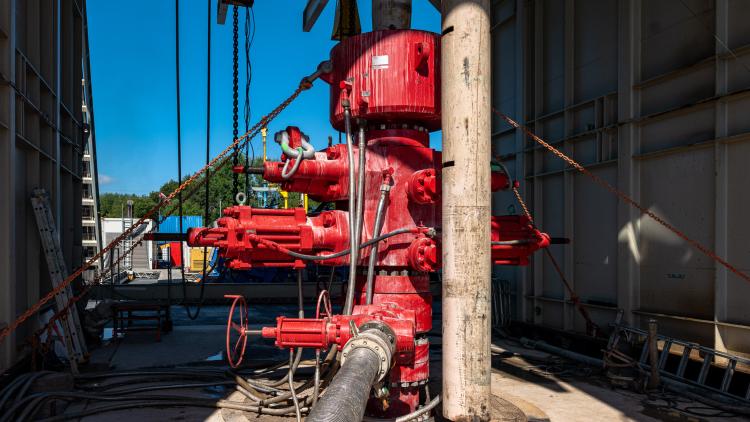
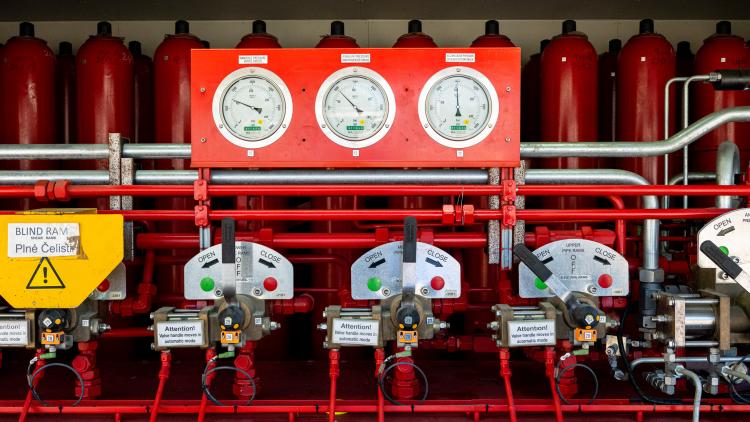
Two boreholes, each around 25cm wide are driven several kilometres into the rock and a heat exchanger is engineered between them. The only practical way to do this is to work with nature, and use the natural fractures in the rock. This is done by pumping water down one borehole at increasing pressure until the fractures in the rock are opened and water can flow. The development of the opening fractures is followed by listening to the rock surfaces moving over one another. The result is an ‘engineered geothermal system’ (EGS).
What is Eden doing about it?
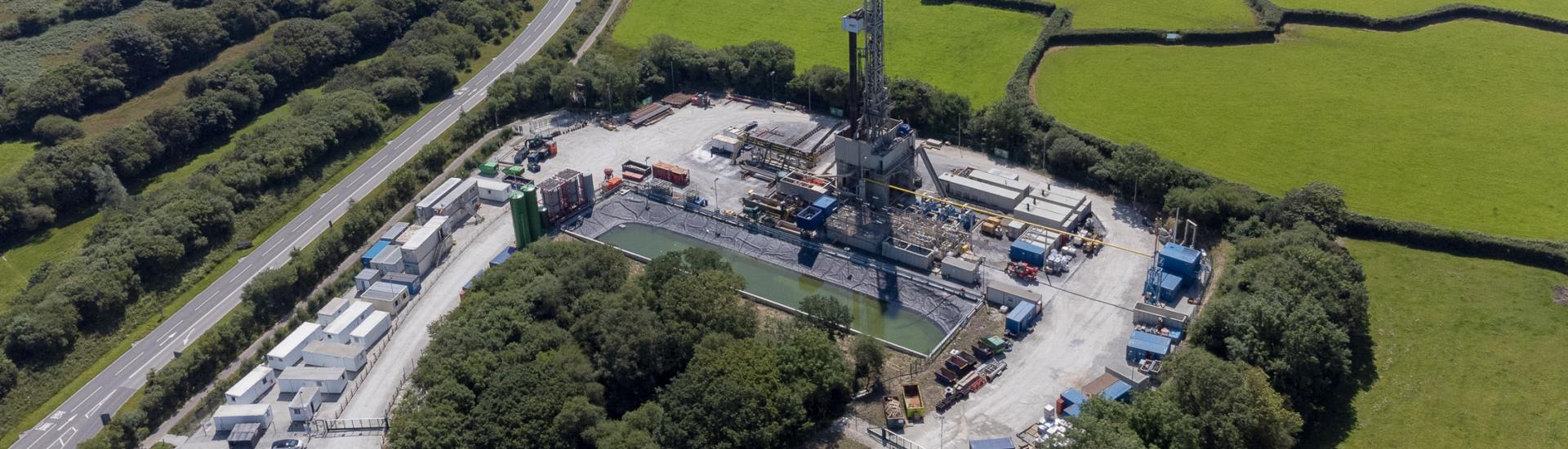
We have partnered with with EGS Energy, a Penzance based company, which is to build one of the first geothermal power plants in the UK generating both heat and electricity, if not indeed the first. A suitable site has been identified in one of our car parks and we have received formal planning permission from Cornwall Council.
With a capacity of 3-4MW electric and the ability to generate 95% of the time, it should produce enough electricity to supply Eden and around 3,500 households, as well as heating for the Biomes and possibly some district heating. It is hoped that power will be delivered from late 2013, but this depends on many factors: drilling rig availability, drilling progress and so on.
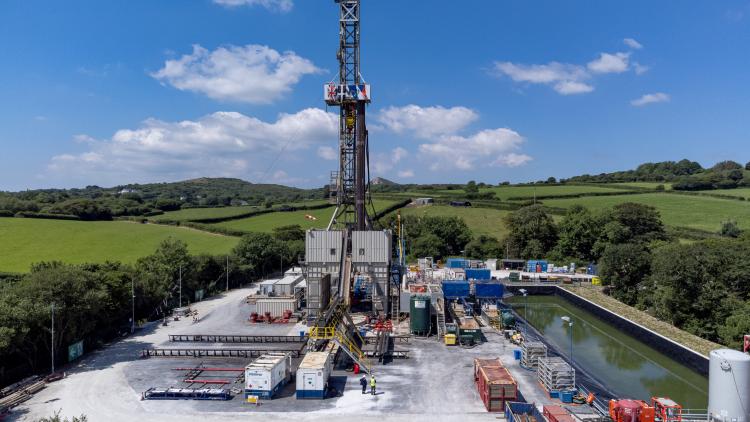
The plant will be made up of two boreholes, driven around 4.5km into the granite beneath Eden. The rock at that depth is at about 180°C. Water injected down the first borehole will be returned to the surface at around 180°C via the second borehole. The superheated water will be used to generate electricity, and will then be returned to the injection borehole.
An EGS plant is very efficient when compared to many other systems. Around 30% of the power created by the plant will go back into pumping water around the system, so it can be said to be about 70% efficient overall. The plant should cover an area about the size of a rugby pitch, and the buildings no more than 10m (30ft) tall. Unlike other sources of renewable energy, the plant will be able to run 24 hours a day more than 345 days a year.
Who are Eden working with?
EGS Energy Ltd, based in Penzance, is run by some heavy hitters:
- Roy Baria - Technical Director - was the deputy director of the geothermal project in Cornwall before moving to the European EGS program at Soultz in France in 1990. He was the Scientist in Charge and a coordinator there until 2005
- Dr Jörg Baumgärtner - Special Adviser Operations - is one of the managers of the EU Soultz project and the Managing Director of BESTEC GmbH. Since 2003, BESTEC has developed the first commercial EGS power plant in the world - at Landau in Germany
- Dr Andrew Jupe - Reservoir Management - is a geological geophysicist and worked at the Rosemanowes Project with Roy Baria in the 1990s, earning his PhD there. He has over 15 years of experience in the behavior of geothermal and hydrocarbon reservoirs
Not all good news surely?
Pretty much…
How noisy would it be?
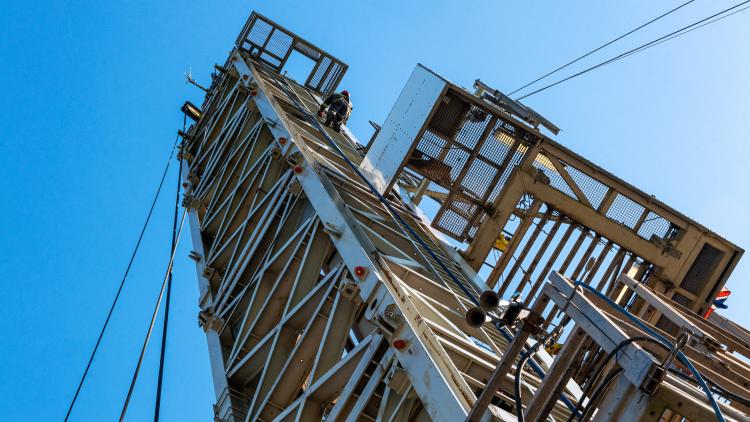
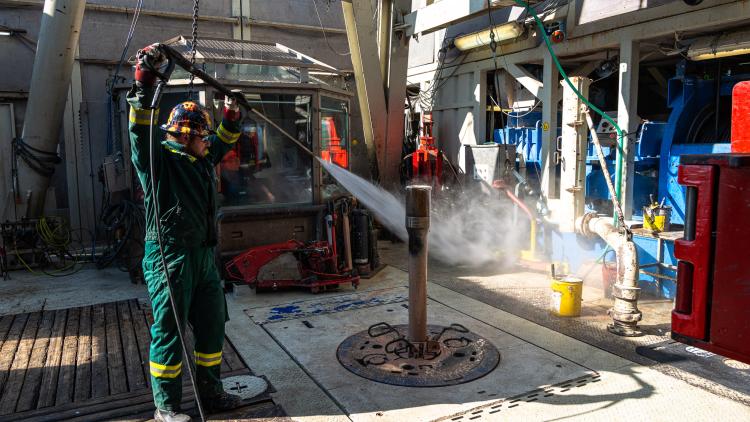
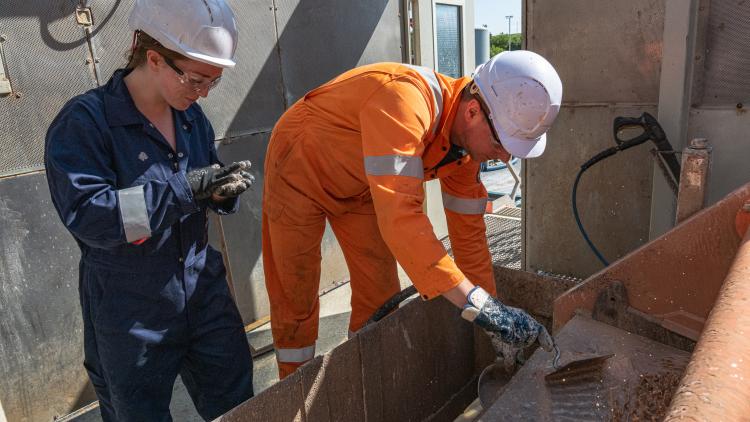
Drilling takes place 24 hours a day due to the cost of the rigs, and will take around 16 weeks per well. The rig will be one specifically for use in a populated area and heavily soundproofed, fulfilling the requirements of the planning permission. During operation, the generator will make a constant noise: a maximum of 45dBA at a distance of 400m.
Will drilling or fracturing the rock cause problems on the surface?
In December 2006 in Basel, Switzerland, earth tremors were felt in an area where geothermal development was taking place. EGS Energy and Eden are satisfied that seismic activity will not be a stumbling block; Cornwall’s geology is very different from that in Basel, which is situated in an unstable tectonic region with a long history of earthquakes. Many years of geothermal development and reservoir stimulation were carried out at Rosemanowes without serious incident.
Nevertheless a full seismic risk report will be carried out prior to the start of the project. Seismic sensors would be used throughout as a precaution to ensure that in the highly unlikely event of any unsuspected increase in seismic activity, work would be stopped and the matter investigated.
What about radiation?
Radon and NORMs radiation (naturally occurring radioactive material) is naturally produced by granites and clays in Cornwall. These, as well as the chemical composition of the water generally, combined with all spoil and waste streams, will be monitored and dealt with carefully throughout the drilling of the wells. EGS energy will have in place procedures compliant with UK legislation and best practice to ensure the safe management of any radiation.
How about the water supply?
The depth of the wells means that the circulation of the water, in a closed loop, has no impact on local aquifers, and neither does its chemical composition. The wells are totally encased. Any water released from the wells during maintenance or normal running is contained and treated appropriately.
For more information on these and other topics please see www.egs-energy.com
Video
Geothermal power at Eden
We have plans to generate power from deep inside the Cornish granite.
http://www.youtube.com/watch